
ALRIGHT, TWO DISCLAIMERS: First, the term “consequences” has a negative connotation to it, and perhaps by the end of the article you could suggest better terms that capture the positives that will feature in the article. Second, in case it may have sounded a little like we are about to talk about mathematical calculations, I’m sorry. And by the way, how many of you were/are a fan of maths? Would be interested to find out in the comments below.
Anyway, enough of that. Let me begin with a story – a story that I found quite interesting.
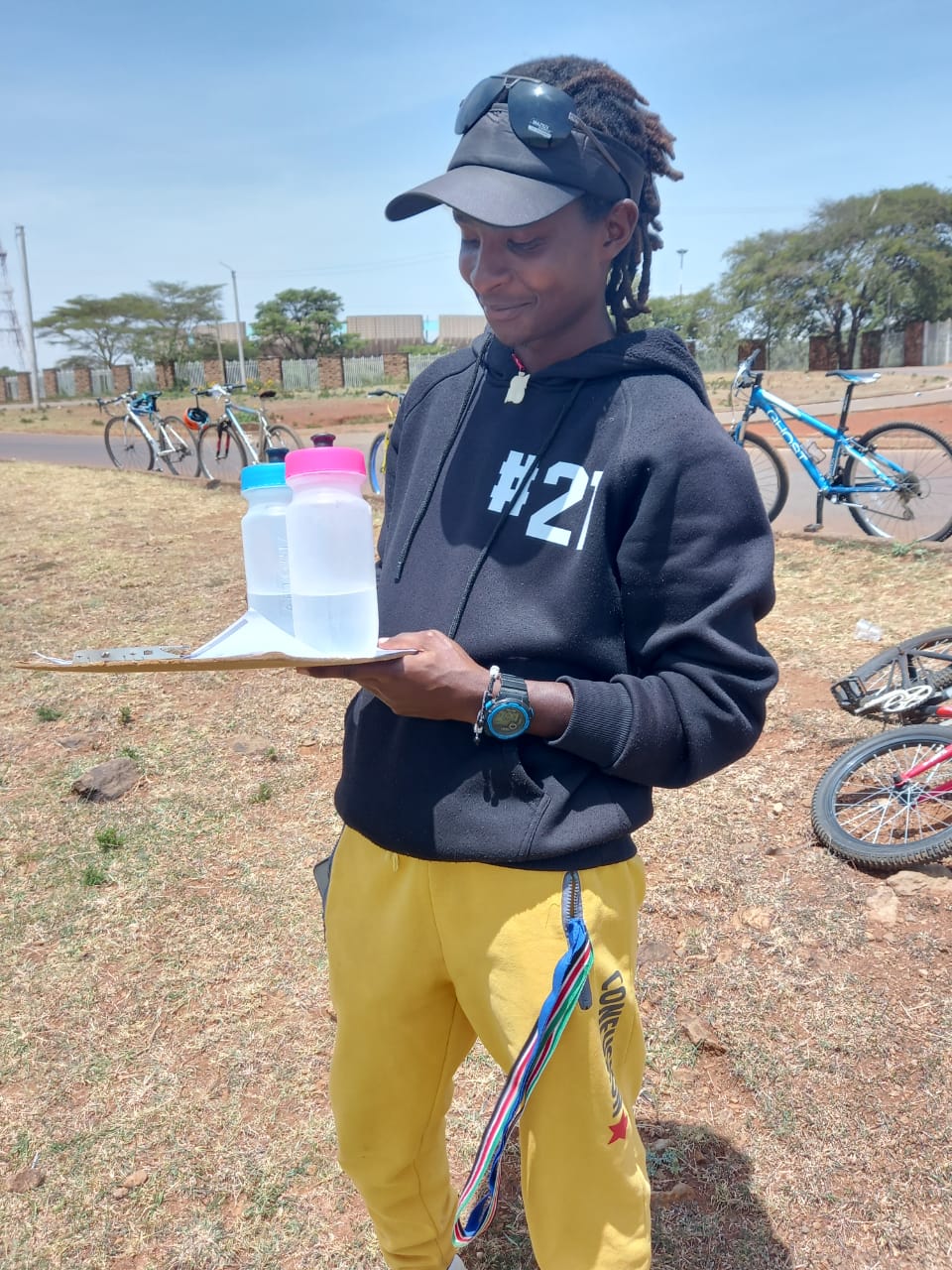
For the last 6 months or so, I had the privilege to intern at an International School – yes, I am a physical educator by profession – and had the chance to work with some amazing coaches. The one who springs to mind in this story is one Mr. Pudo.
If you are familiar with the sporting calendar in International Schools, then you would know that we had the Turi Cross-country happening this previously-concluded term; and lots of preparation went into it – morning runs, treadmills during the wet mornings, a weekend morning run at Karura Forest…well, you get the picture.
Shortly after the Cross-country was done, an athlete (name withheld for obvious reasons) approached Mr. Pudo and challenged to beat his time of 21 minutes in running 5km. Mr. Pudo had been running with the students, and had even set a ‘record’ time on the treadmill. The challenge was accepted, and the following morning, the athlete was on the treadmill running the 5km.
Now, this athlete (perhaps we can call him Junior) had not exactly been training in a while due to a burnout he’d suffered a few years back – and also didn’t run the Turi Cross-country since he was overage – but had been generally active and quite sporty. Junior knew that he was fit, and would most likely run a sub 20-minutes time…until he started struggling.
Things weren’t exactly working right that day: stitch, paining calves, laboured breathing…and his mind was struggling to keep up with the stress and challenge. After about 3.5km, Junior stopped the treadmill and took a seat with his head bowed. Mr. Pudo was at hand, and asked why he had stopped running; and the most unexpected thing happened: Junior broke down.
According to the story, it wasn’t the difficulty of the running that caused Junior to break down; rather, it was the realisation that his mind had been the problem all along ever since the burnout occurred. He had given up fighting in his sport at the time, and had never quite recovered from the ordeal. Whenever he had thought of training, he would always come up with a convenient excuse to escape the session – example: the weather, a stitch, thirst, work – and even as he had been running, his mind had wanted him to quit by the time he had hit 500m.
As the story goes, Mr. Pudo had a chat with the fella, and two minutes later, Junior was back on the treadmill aiming to complete the 5km run. Everyday after that, Junior would be seen at the gym every morning either running on the treadmill, or working out in the gym; or even in the field early in the morning running with other students.
Hold on to that story as I give some more examples of unintended “consequences”.
During the last 3 months (3rd term at an International School), I had the opportunity to work with 2 other awesome rugby coaches: Mr. Mike and Mr. Njoroge.
Mr. Mike was one of Kenya’s top rugby players in his heyday, but had to call it a day after an injury. This is actually a rather funny story, one that we would always laugh at both before and after a training session with the boys. Mr. Mike would always say that due to his knees, he would not run or actively take part in the session (and even changed his boots and once wore sneakers as a way to keep him off the field with the boys), but he would always be drawn to the action – a sign of a good coach, by the way – to the detriment of his knees.
Mr. Njoroge, on the other hand, like me, was not a rugby player but made a fantastic coach – something I am working towards. Normally as teachers, or even as coaches, instructions are given to the players and they execute them…rarely (with age) do you see a coach joining in the activities of the PE lesson or training session. Mr. Njoroge would not only take part in them, but he would be one of the most active persons on the field, sometimes even a little more than his players. He would end a session having had “one hell of a workout”.
All these stories have something in common: there was an unexpected consequence due to the workout. Junior broke down and solved the mental block he had suffered a couple of years back, and thus resumed his training; Mr. Mike would be drawn to the action of the training session despite his aching bones later on; and Mr. Njoroge would have a chance to get a good workout in – not the objective of the lesson!
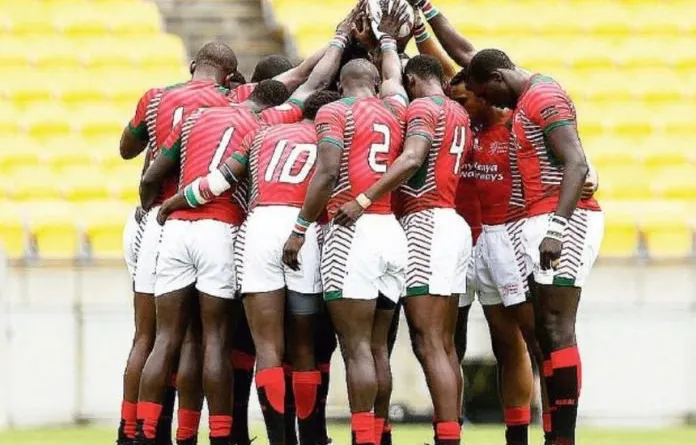
Whenever you start (planning to start) working out, you tend to have a goal in mind: to lose weight, to get abs, to increase the size of the biceps, to run like everyone else in the neighbourhood…but you never realise that in the long run, you gain other aspects along the way.
For example, as you do your push-ups, granted you’re doing them properly, you begin to notice developing abs; as you jog in the morning so as to fit into the neighbourhood’s culture of morning runs, you notice that your quality of breathing improves, or even that your core muscles develop with the action of running; for men (specifically), as you workout immediately after getting out of bed in the morning, you notice that your stiff member becomes less stiff faster (due to the increased blood flow to the working muscles).
Oh, and what about your improved sense of identity? You had set out to increase your calf muscles, and all of a sudden you become somebody else – arguably a better version of yourself.
I agree that ‘consequences’ was the wrong term. Any better words that we can use?
So, get out there and work out; you might just be surprised 😉
Cheers!


 WHO'S WORLD OF FANTASY WILL YOU DIVE INTO NEXT?
Leave a comment